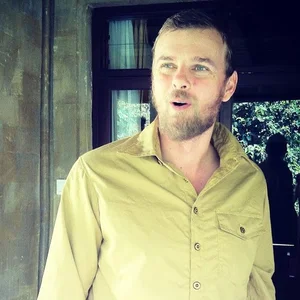

What makes a really good pair of pants? I've spent quite a bit of time thinking about this question, studying traditional clothing, examining the design of everyday workwear, and experimenting with my own designs.
In this video, I take you through that process, beginning with a pair of wool pants I developed a couple of years ago, before critically examining a range of familiar trouser designs. From denim jeans and military trousers to traditional Kurdish mountain pants and Japanese workwear, I'm interested in understanding what different garments do well, what they get wrong, and what we might learn from their construction.
Eventually, I arrive at my own design, bringing together the features I consider most useful for comfortable, practical, everyday working clothing. Some of the key design decisions include:
A very generous leg: allowing freedom of movement without restriction.
A deep-crouched, high-rise cut: providing room through the seat and crotch, with a more natural fit when bending, squatting and working.
A button-fly opening: Convenient and extra room when putting on and taking off the pants.
A wide waistband: designed to pull in and secure comfortably around the waist.
Ankle cuffs: allowing the lower leg to be gathered to avoid tripping and scuffing noise, but also to help take the weight of the pants over all.
Minimal pockets: reducing bulk and weighting the pants for greater comfort throughout the day.
A sash instead of a belt: distributing tension differently around the waist. -
Bowyangs: traditional ties used to secure the lower legs and help bellow the knee for freedom of movement.
The intention is to make a pair of pants that can be worn all day, through physical work, outdoor activities and even sleeping, without needing to take them off or constantly adjust them.
I'm particularly interested in what traditional clothing can teach us about making useful things. Many garments evolved over generations to meet the practical demands of particular environments, occupations and ways of life. There is a great deal of accumulated knowledge in those designs that I think is worth revisiting.
This is an ongoing exploration of clothing design, materials, construction and the relationship between the human body and the things we make to work alongside it.
I'd be interested to hear what you think.
I design and make practical outdoor clothing and equipment, with an interest in natural materials, traditional construction and alternatives to disposable consumer products.